

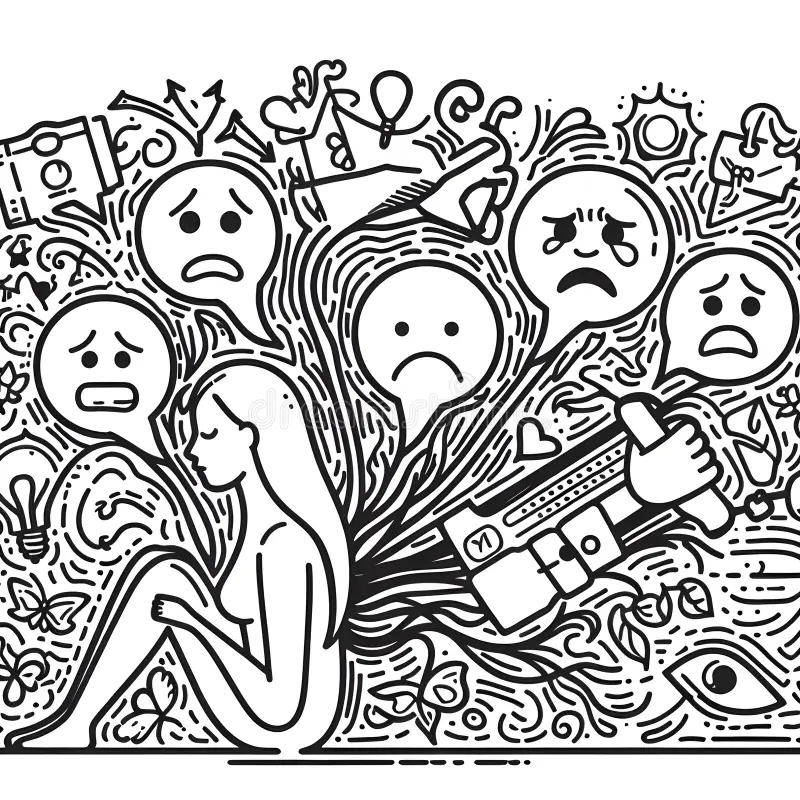
Attachment needs are often rooted in early life experiences and can significantly affect an individual’s relationships and emotional well-being. These challenges can lead to difficulties in trusting others, forming healthy bonds, and managing emotions. However, therapy can be highly effective in addressing these issues, helping individuals build secure, stable, and fulfilling relationships.
Description
Attachment refers to the emotional bonds we form with others, particularly during childhood. When attachment needs are unmet or disrupted, individuals may struggle with forming secure relationships throughout life.
Our therapy for attachment issues involves evidence-based approaches tailored to each individual’s unique experiences. We create a safe, non-judgmental space where individuals can explore their attachment patterns and develop healthier ways of relating to others.
The Benefits
Therapy offers numerous benefits for individuals dealing with attachment issues, such as:
- Improved Relationship Patterns: Therapy helps individuals recognise unhealthy attachment behaviours and replace them with healthier, more adaptive ways of relating to others.
- Increased Emotional Regulation: Therapy teaches individuals how to manage intense emotions that stem from attachment difficulties, leading to greater emotional stability.
- Stronger Trust and Intimacy: Therapy helps individuals build trust in their relationships, creating deeper emotional connections and intimacy.
- Healing from Past Wounds: Therapy allows individuals to process and heal from past attachment injuries, including neglect, abandonment, or inconsistent caregiving.
- Enhanced Self-Esteem: By addressing attachment issues, individuals can develop a stronger sense of self-worth and improve their overall emotional well-being.
- Prevention of Future Relationship Issues: Therapy provides tools and strategies to prevent future attachment-related challenges, ensuring healthier relationships moving forward.
Therapy Solutions for Attachment Issues
Several therapeutic approaches are particularly effective for addressing attachment issues:
- Attachment-Based Therapy: This approach focuses on identifying and healing attachment wounds by exploring early relationships with caregivers and understanding how they influence current relationship patterns.
- Emotionally Focused Therapy (EFT): EFT helps individuals and couples identify negative emotional patterns and create secure emotional bonds by fostering deeper emotional connections.
- Cognitive-Behavioural Therapy (CBT): CBT can help individuals address the negative beliefs and thought patterns that stem from insecure attachment and replace them with healthier perspectives.
- Trauma-Focused Therapy: This type of therapy addresses attachment issues that arise from past trauma, helping individuals process and heal from emotionally painful experiences.
- Family Therapy: Family therapy helps to address attachment issues within family dynamics, promoting understanding, communication, and healing among family members.
What to Expect
In therapy, you can expect a tailored and supportive approach. Here’s what you can anticipate during the process:
- Initial Sessions: The first sessions will focus on understanding your attachment history, identifying patterns, and building a trusting relationship with your therapist.
- Assessment and Goal-Setting: Your therapist will assess the underlying causes of your attachment issues and work with you to establish goals for treatment. This may involve exploring past experiences and identifying any unresolved emotional wounds.
- Addressing Attachment Patterns: Therapy will help you recognize your attachment style (secure, anxious, avoidant, or disorganized) and work on shifting any maladaptive patterns that impact your relationships.
- Building Trust and Safety: Your therapist will focus on creating a safe and secure space where you can explore your emotions and relationship dynamics.
- Developing New Relationship Skills: Throughout therapy, you will learn new skills for building and maintaining healthy relationships, such as effective communication and emotional regulation techniques.
- Ongoing Support: Therapy will provide continuous support as you work to implement changes in your behavior and build secure attachments with others.
- Final Sessions: In the later stages of therapy, you will focus on consolidating your progress, developing long-term strategies for maintaining healthy relationships, and addressing any remaining attachment-related concerns.
- Ongoing Maintenance: For some individuals, ongoing therapy or support may be helpful to continue reinforcing attachment security and emotional well-being.
Therapy can significantly improve your ability to form and maintain healthy relationships. Whether you’re dealing with childhood trauma, relationship difficulties, or emotional instability, therapy provides the support and tools to help you heal and thrive.
Reach out today for more information.
You can send us a message for additional information. Learn more about who we are and what we do